

Intro
Have you ever wondered what would happen if you combined two different animals into one? That’s the idea behind a hybrid animal!
In this guide, we’ll explain what a hybrid animal is, look at real-life examples, and explore why they exist—all in a simple way for kids to understand.
🧬 What is a hybrid animal?
A hybrid animal is created when two different species of animals have a baby together.
This usually happens when the animals are closely related, such as:
- A lion and a tiger
- A horse and a donkey
The baby inherits traits from both parents.
🐾 Real-life examples of hybrid animals
Some hybrid animals occur naturally, while others are created by humans.
🦁 Liger (Lion + Tiger)

A liger is a hybrid between a male lion and a female tiger.
- Usually larger than both parents
- Has faint tiger stripes and a lion-like body
- Often lives in captivity
👉 Cool fact: Ligers are the biggest big cats in the world!
🐻 Grolar Bear (Grizzly + Polar Bear)
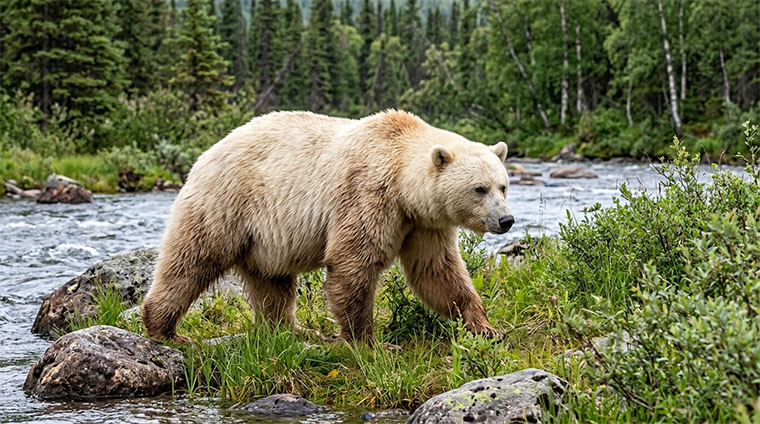
A grolar bear is a rare hybrid between a polar bear and a grizzly bear.
- Found in Arctic regions
- Has a mix of white and brown fur
- Can survive in changing climates
👉 Cool fact: Scientists discovered them in the wild — not created by humans!
🦓 Zebroid (Zebra + Horse/Donkey)

A zebroid is a hybrid between a zebra and another horse-like animal.
- Has zebra stripes mixed with a horse or donkey body
- Can look very different depending on its parents
- Often bred by humans
👉 Cool fact: No two zebroids look exactly the same!
🐯 Tigon (Tiger + Lion)

A tigon is the opposite of a liger — a male tiger and a female lion.
- Usually smaller than a liger
- Can have both stripes and spots
- Less common than ligers
👉 Cool fact: Tigons don’t grow as large as ligers because of how their genes work!
🐪 Cama (Camel + Llama)
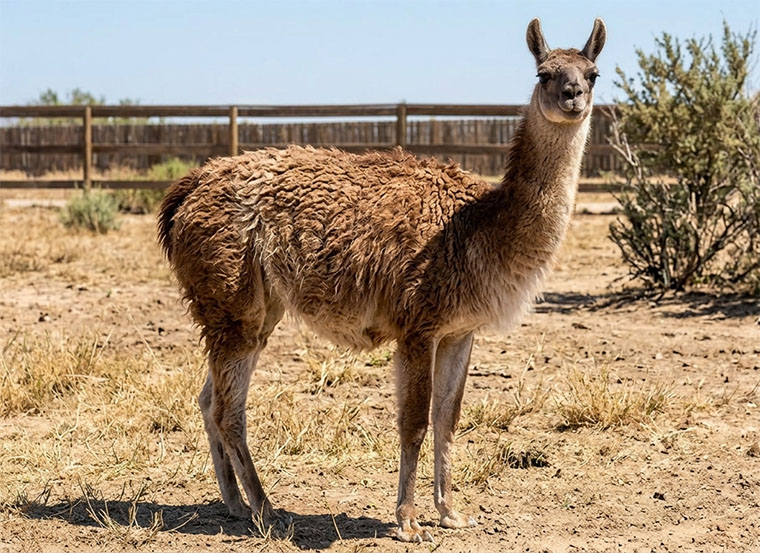
A cama is a hybrid created by scientists by crossing a camel with a llama.
- Smaller than a camel
- No hump
- Bred for strength and wool
👉 Cool fact: The first cama was created in 1998!
🫏 Mule (Horse + Donkey)

A mule is a hybrid between a horse and a donkey.
- Very strong and hardworking
- Often used to carry heavy loads
- Usually cannot have babies
👉 Cool fact: Mules are known for being very intelligent and sure-footed!
Here’s a quick comparison of some real hybrid animals and how they are created.
| Hybrid | Parents | How it Happens | Cool Fact |
|---|---|---|---|
| Liger | Lion + Tiger | Human-assisted | Bigger than both parents |
| Tigon | Tiger + Lion | Human-assisted | Smaller than a liger |
| Mule | Horse + Donkey | Human-used | Very strong and hardworking |
| Zebroid | Zebra + Horse/Donkey | Human-bred | Unique stripe patterns |
| Grolar Bear | Polar Bear + Grizzly Bear | Natural | Found in the wild |
| Cama | Camel + Llama | Human-created | No hump like a camel |
⚠️ Can hybrid animals reproduce?
Most hybrid animals cannot have babies of their own.
This is because the DNA from the two parent species doesn’t match up perfectly.
🧠 Why do hybrid animals exist?
Hybrid animals can happen:
- Naturally (rarely, in the wild)
- In captivity (zoos or farms)
Sometimes they are created:
- By accident
- Or through human involvement
🐉 Are hybrid animals like fantasy creatures?
Not exactly.
Real hybrid animals are combinations of similar species, not completely different animals.
So you won’t find:
- Half rabbit, half crab
- Half rooster, half kangaroo
…at least not in real life!
🌟 From real hybrids to imaginary creatures
Even though real hybrids are limited, imagination has no limits.
What if animals could combine in completely unexpected ways?
Creatures like Kangaroosters and Crabbits…
👉 That’s the idea behind Confusing Creatures: The Alchemist’s Shadow, a middle-grade animal fantasy adventure for readers aged 8–12.