10 Animals That Can Regrow Body Parts
If humans lose a finger or an organ, it’s gone for good. But in the wider animal kingdom, losing a limb isn’t always a permanent tragedy. Some creatures possess real-life “superhero” healing factors, capable of regrowing everything from severed tails and shattered bones to entire brains and hearts.
Let’s take a look at 10 confusing creatures that treat major body parts like replaceable spare parts!
1. The Axolotl
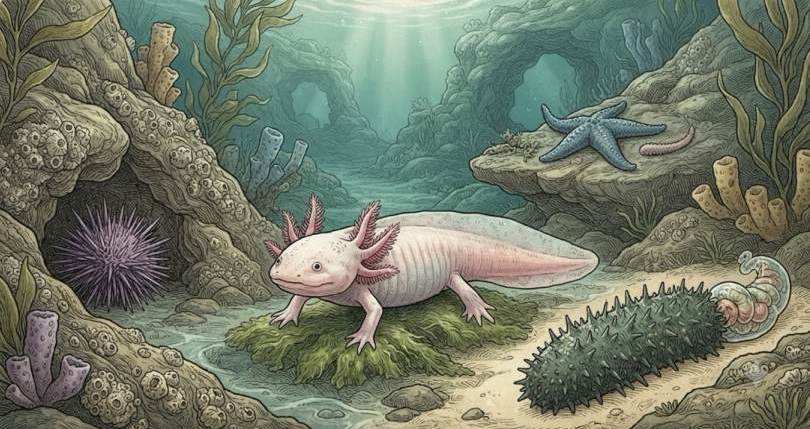
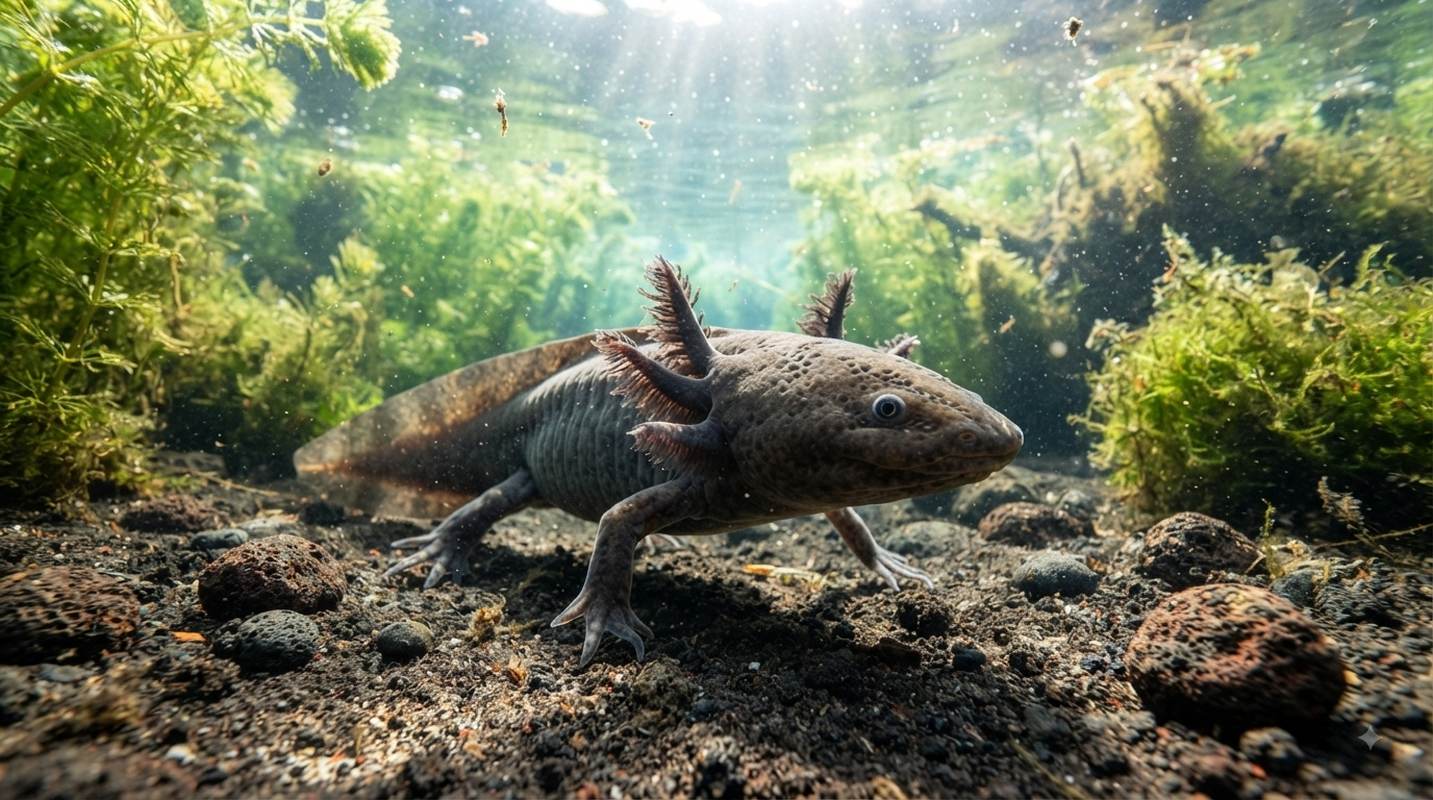
Often called the “Mexican walking fish” (though it’s actually an amphibian), the axolotl is the undisputed champion of vertebrate regeneration. Not only can these smiling aquatic salamanders regrow lost legs, feet, and tails, but they can also repair damage to their spinal cords, hearts, and parts of their brains. Best of all? They do it entirely without leaving a single scar.
2. Planarian Flatworms
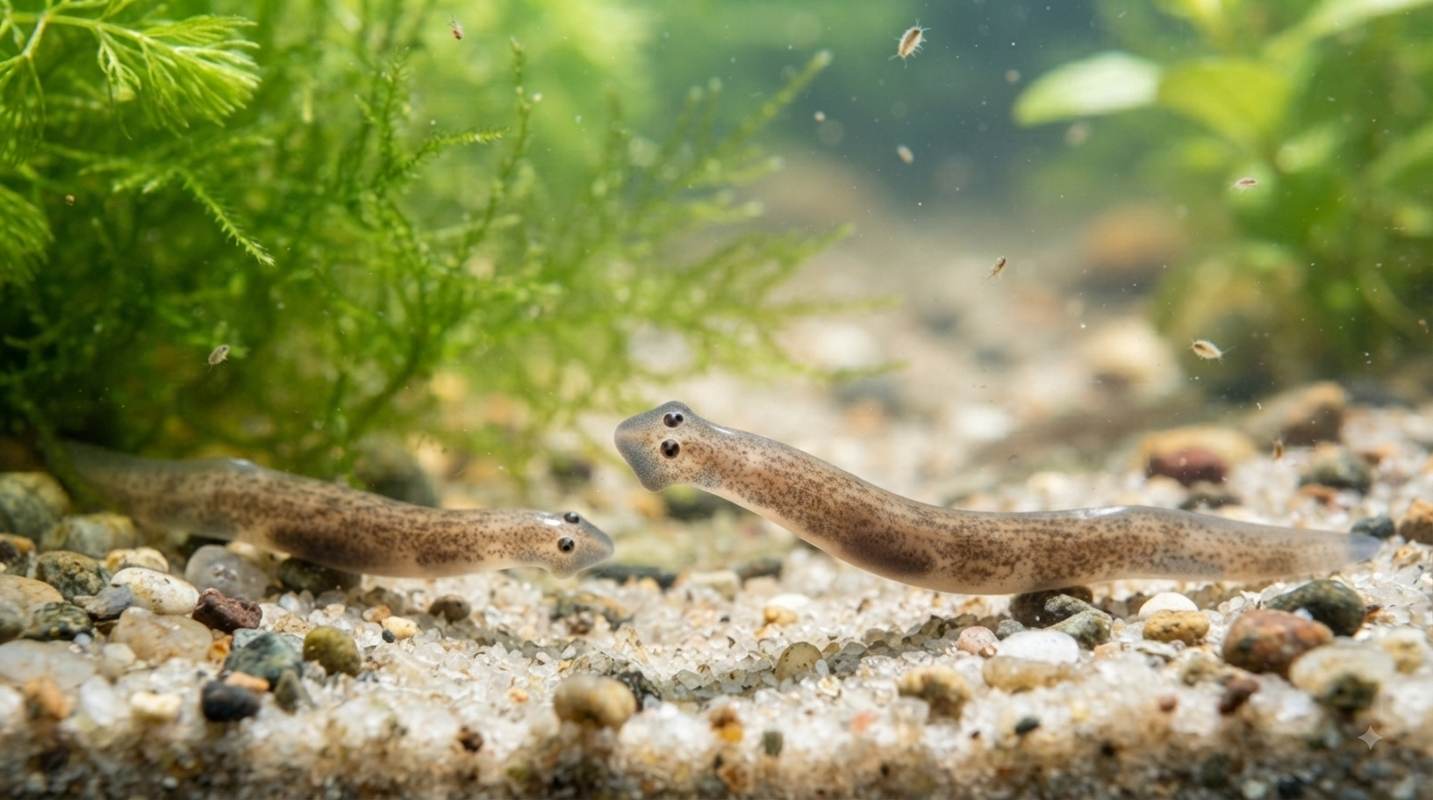
If you think losing a limb is impressive, try losing 90% of your body. Planarian flatworms are microscopic marvels equipped with special stem cells called neoblasts. If you cut a planarian into pieces, each piece can grow into an entirely new, fully functioning worm—complete with a brand-new brain and nervous system.
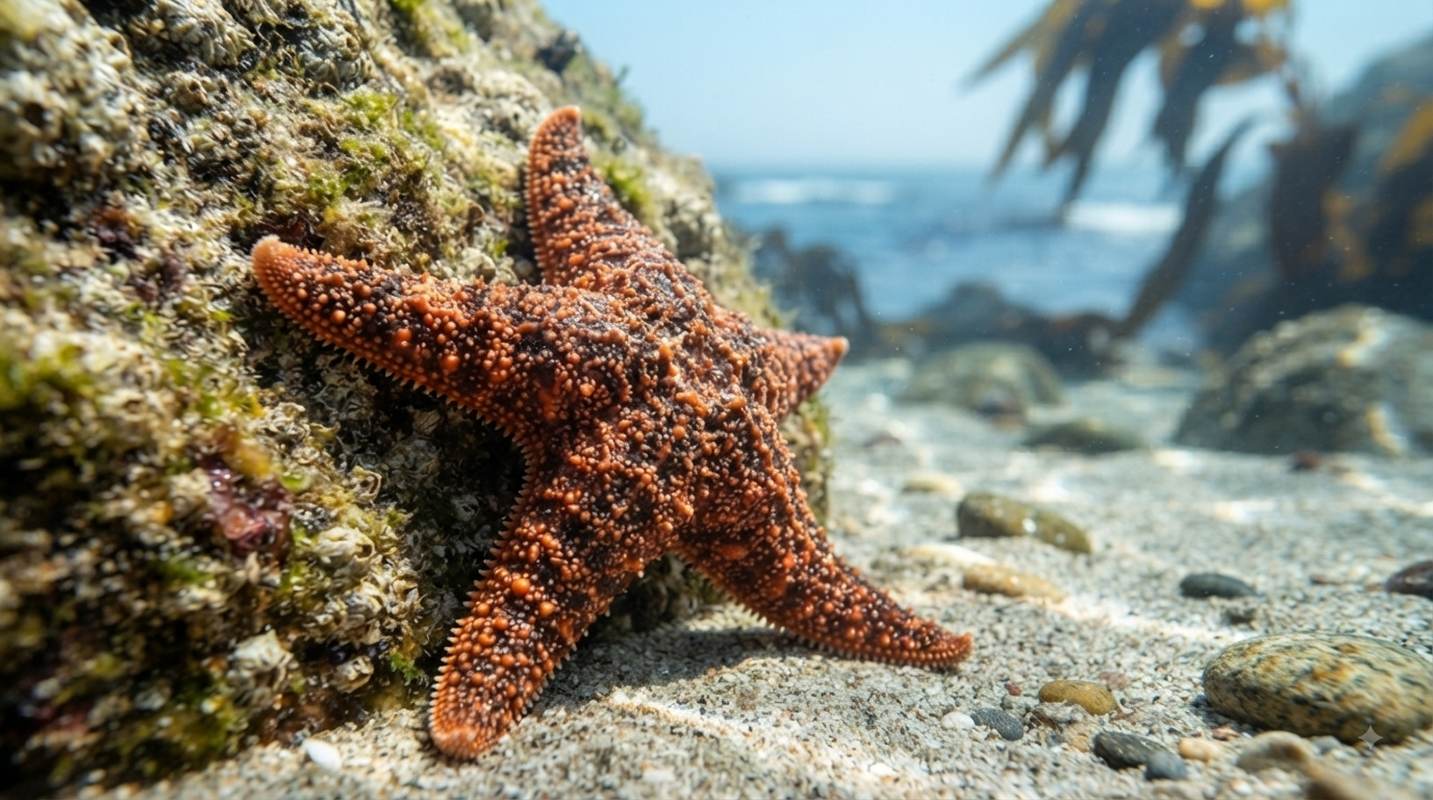
3. Sea Stars (Starfish)
Many species of sea stars can easily drop an arm to distract a predator and escape. Not only will they grow that arm back, but some species can do the reverse: if a single severed arm has enough of the central body disc attached, it can regenerate an entirely brand-new starfish!
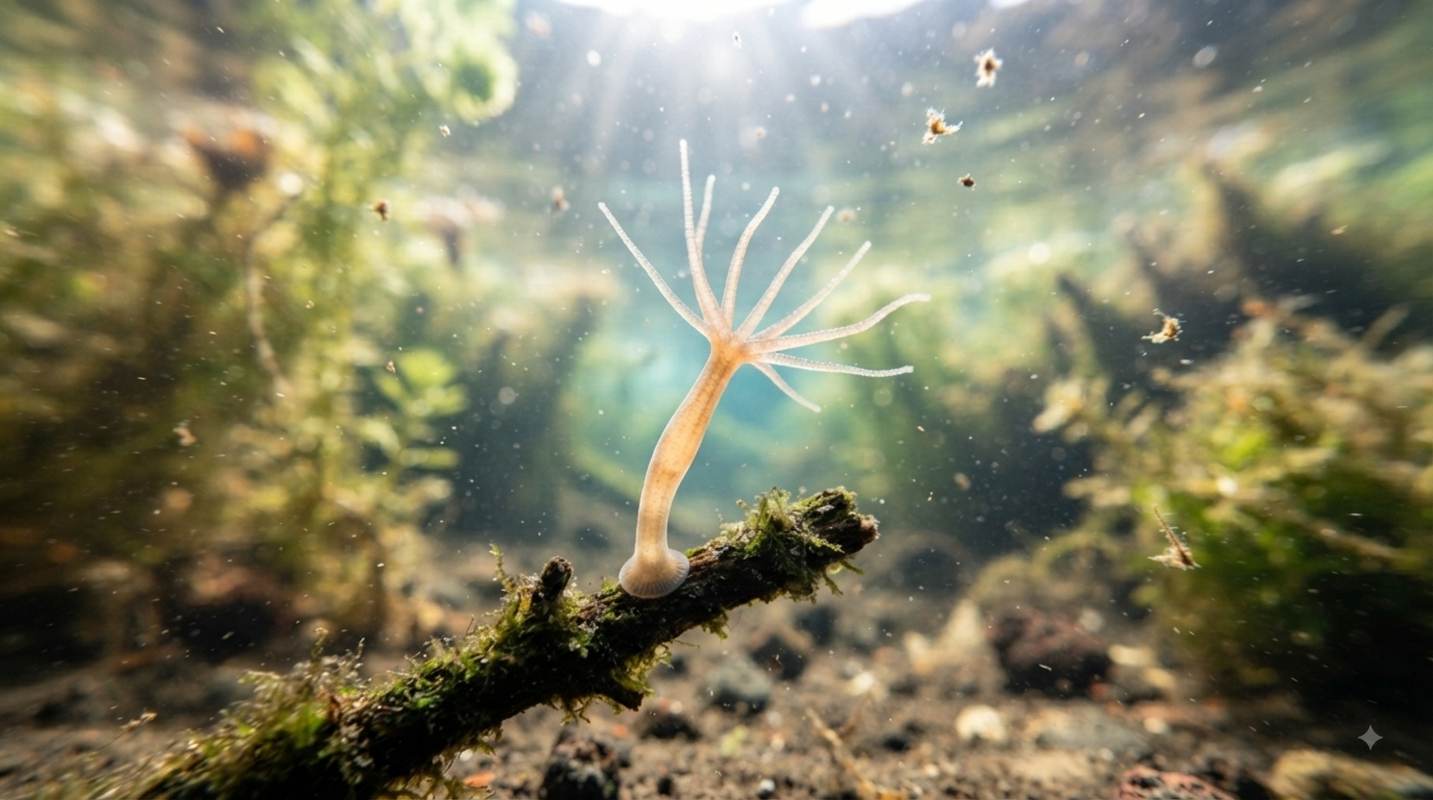
4. The Hydra
The hydra is a tiny, freshwater creature related to jellyfish and corals. It doesn’t even rely on complex stem cells for some of its healing; instead, it uses a process called morphallaxis, reorganizing its existing cells to shrink, restructure, and rebuild missing parts. Biologists even consider hydras to be biologically immortal because of this constant cellular renewal.
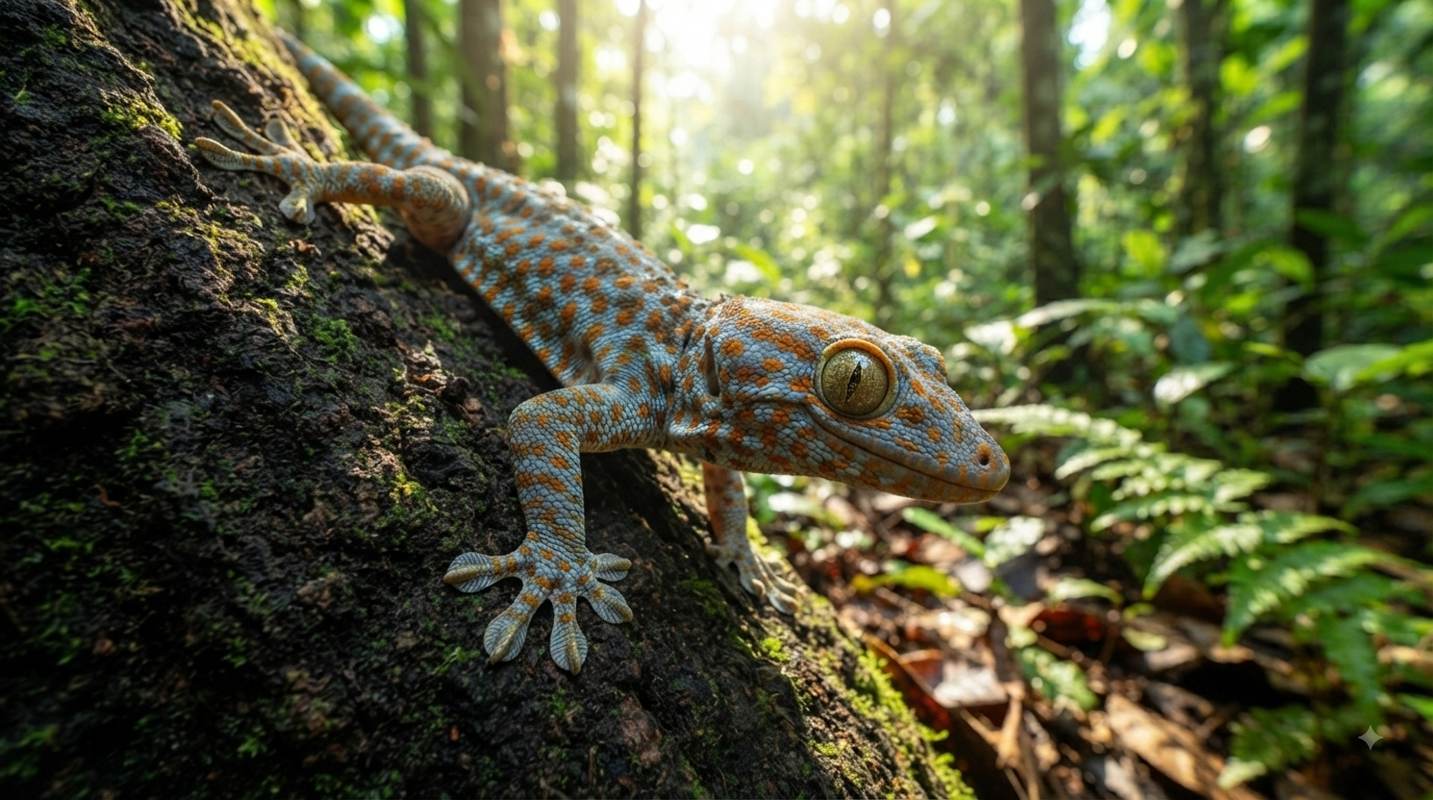
5. Glass Lizards and Geckos
Many lizards practice autotomy—the ability to intentionally detach their own tails when grabbed by a predator. The dropped tail wiggles around on the ground to confuse the attacker while the lizard scurries away. While the replacement tail is usually made of cartilage rather than bone, it still does the trick.
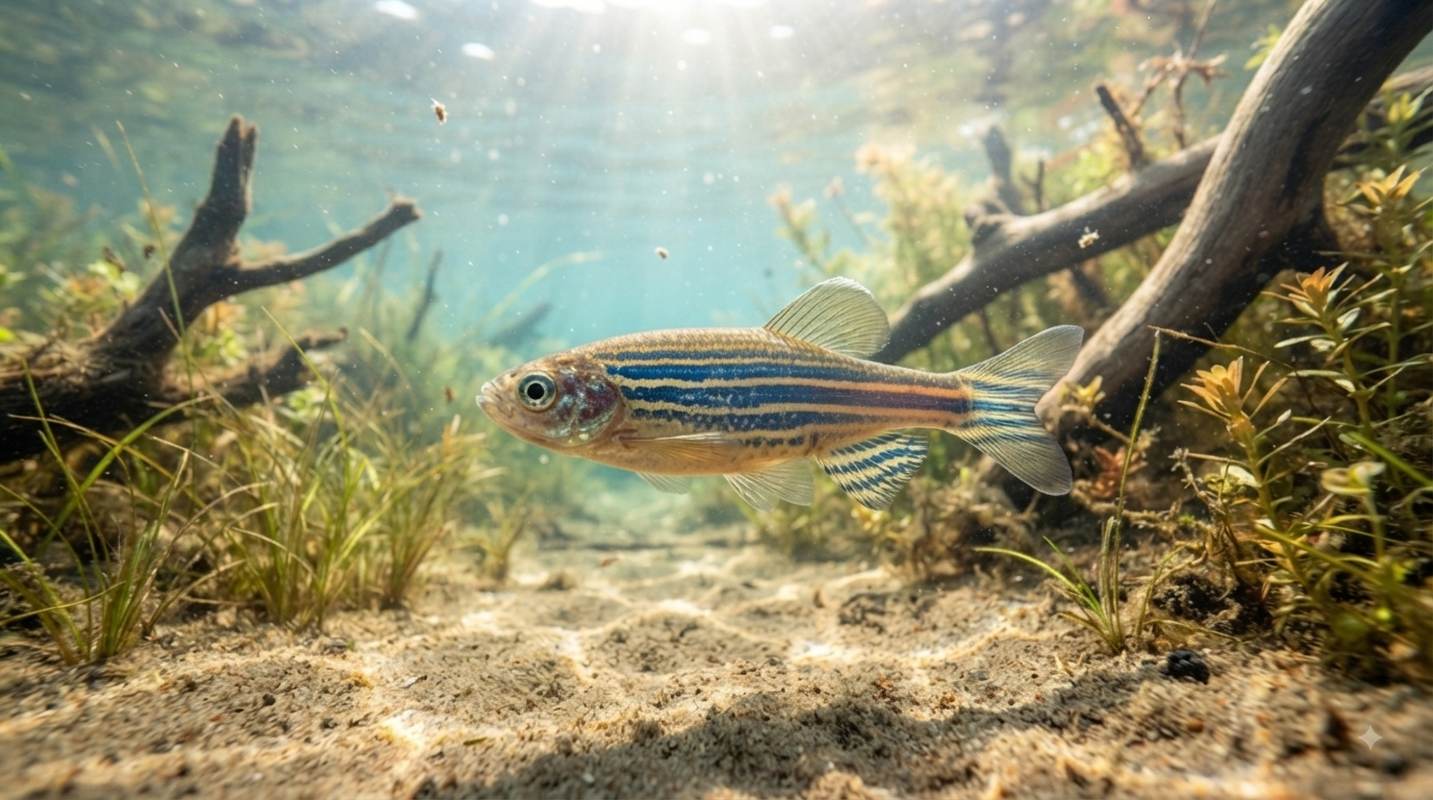
6. Zebrafish
Despite being small and common in home aquariums, zebrafish possess extraordinary medical secrets. If a zebrafish suffers damage to its fins, scales, spinal cord, or even a portion of its heart muscle, specialized cells rush to the site and rebuild the tissue good as new within weeks. Scientists study them constantly to unlock clues for human heart disease treatments.
7. Sea Cucumbers
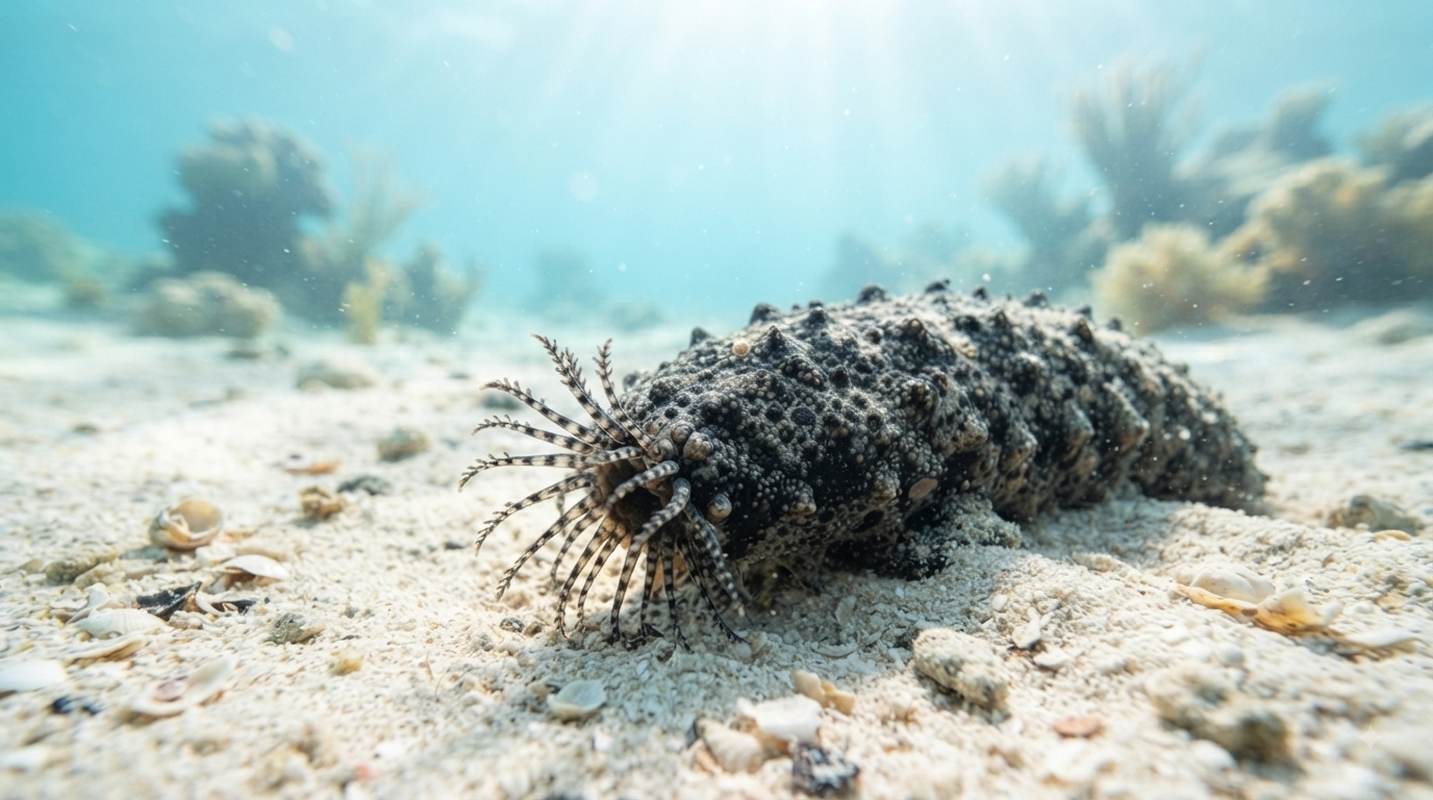
Sea cucumbers look like squishy underwater sausages, but they have a wild defense mechanism. When heavily threatened, they can perform evisceration—expelling many of their internal organs out of their back ends to startle a predator. Don’t worry about them, though; within a couple of weeks, they completely regrow their missing digestive tracts and respiratory structures.
8. Deer
Deer are unique on this list because they are mammals, yet they undergo one of the fastest and most dramatic tissue regeneration cycles in the natural world. Every single year, male deer shed their heavy antlers, only to grow an entirely new, massive rack of bone and velvet tissue back in just a few months.

9. Spiders
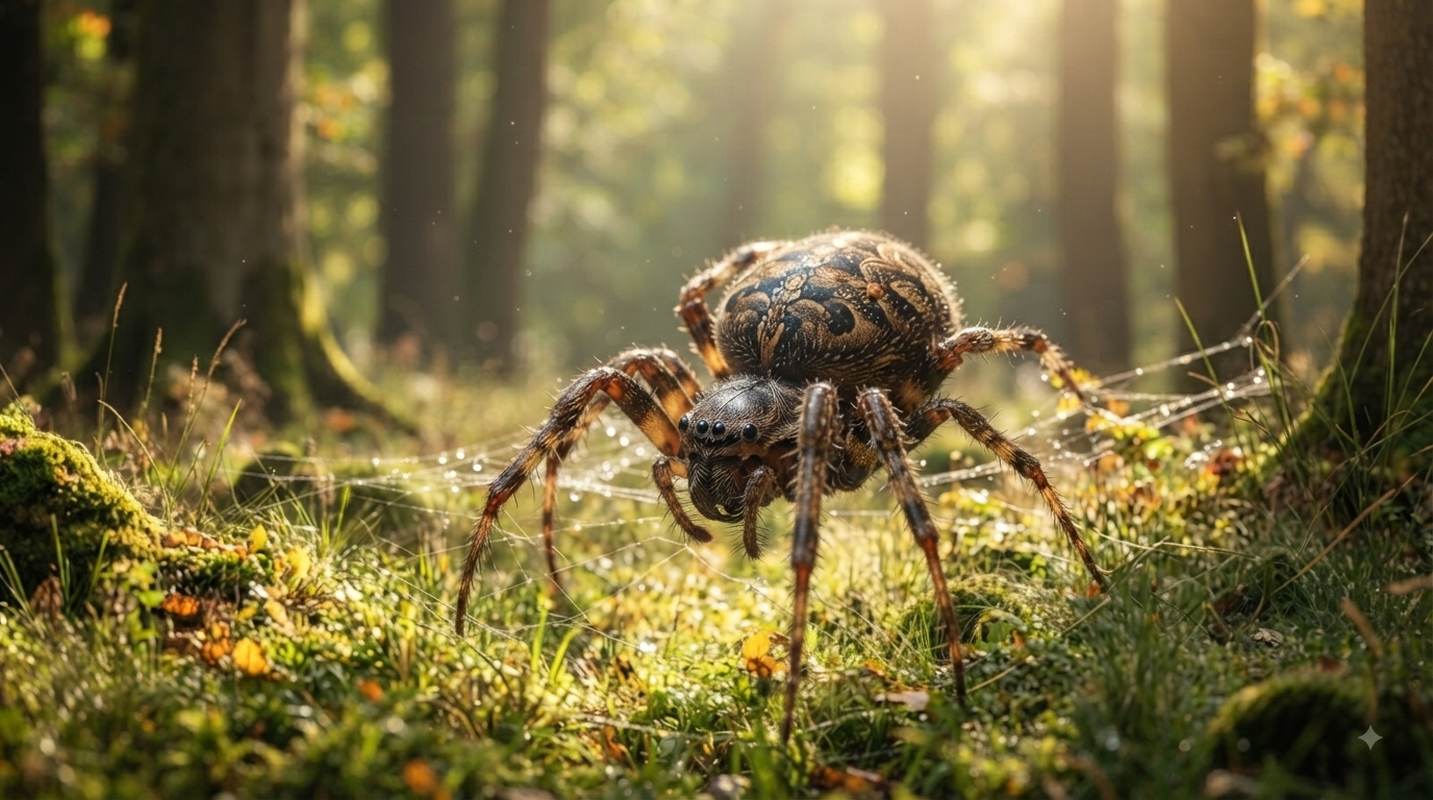
If a young spider loses a leg to an accident or a scuffle, it isn’t out of the game. During their next molting phase—where they shed their old exoskeleton to grow bigger—they can regenerate the missing limb.The newly grown leg might start out a bit smaller than the others, but after a couple more molts, it catches up completely.
10. Sharks
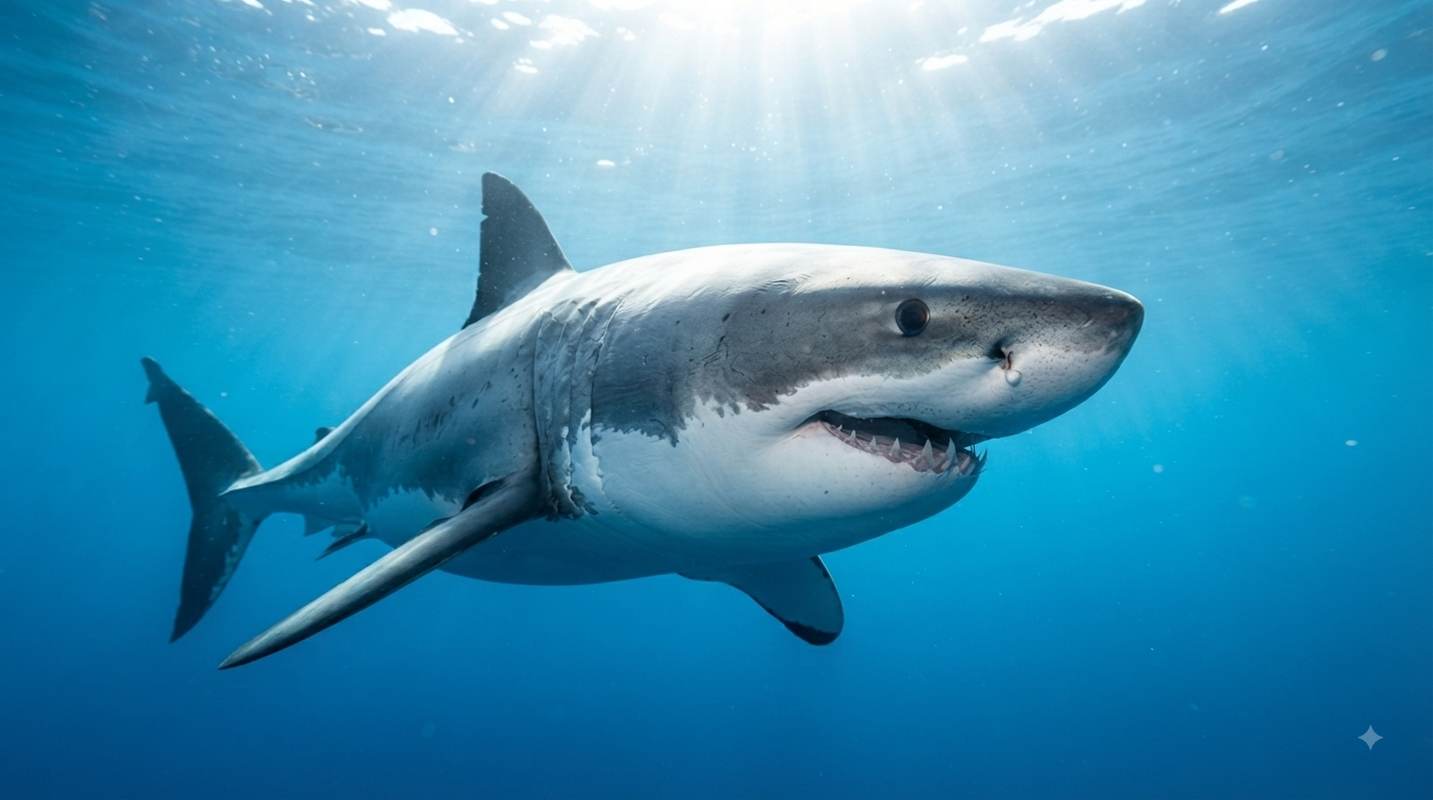
Sharks might not be able to grow back a missing fin, but they have mastered a very specific kind of continuous regeneration: their teeth. Sharks lose thousands of teeth over their lifetimes because of their ferocious feeding habits. Rows of replacement teeth sit behind the active ones, moving forward like a conveyor belt to ensure they always have a razor-sharp bite.